Photography
What watching birds has taught me about almost everything else.
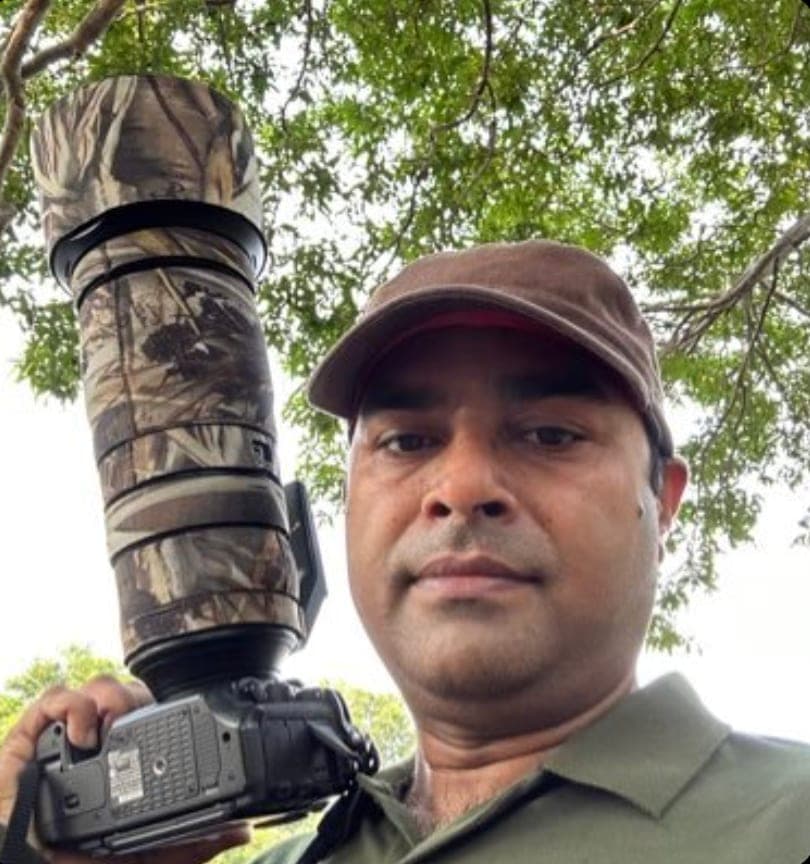
For the last several years, I have been a bird photographer. Most weekends I am out somewhere with a camera and a long lens, waiting.
The waiting is the part nobody tells you about.
You sit in the same patch of forest for forty minutes for a single thirty-second appearance. You learn that the bird does not care about your schedule. You learn that the bird does not care about your plan. You watch carefully, you stay still, and eventually — sometimes — something happens.
I started photographing birds because I love them. I did not realise, at the time, that the practice would also quietly teach me how to do my actual job better.
What I have learned out there
Patience is a skill, not a temperament. Most professionals talk about patience as if you are either born with it or not. Birding teaches you that patience is something you build, like a muscle. The first hour of waiting feels long. The hundredth hour does not. You learn to be still without being bored.
Most of what looks like luck is preparation.The “lucky shot” of a kingfisher mid-dive is preceded by weeks of learning the bird's habits, the light at that time of day, the angles that work. By the time the kingfisher dives, the photographer is just doing what they have rehearsed a hundred times. Same is true for almost any moment at work that looks like genius.
Endurance is doing the boring part well. A four-hour stake-out where nothing happens still requires you to keep your camera ready, your settings right, your eye on the canopy. Most fieldwork is ninety percent boring. The professionals are the ones who do the boring part with the same care as the exciting part. I see this in operations all the time too.
You cannot rush a living thing.A bird does not arrive faster because you are anxious. A team does not move faster because you push them. Both arrive at their own pace, and the work is to create the conditions in which they can do their best — not to demand that they perform on your timeline.
Care for what you are watching.The best wildlife photographers are also the most respectful. They do not chase. They do not flush. They do not disturb. They are guests in someone else's habitat. I have come to believe operations leadership is similar — you are a guest in the lives of the people who do the work, and your job is to make the conditions better, not to take what you came for and leave.
Bit by bit, the picture builds.No one becomes a good bird photographer in a year. No one becomes a good operations leader in three. Both are slow accumulations — of knowledge, of pattern recognition, of restraint, of small skills practiced until they become invisible. You cannot shortcut the years.
I am not a great photographer. I am a careful one. The same is mostly true of how I show up to work.
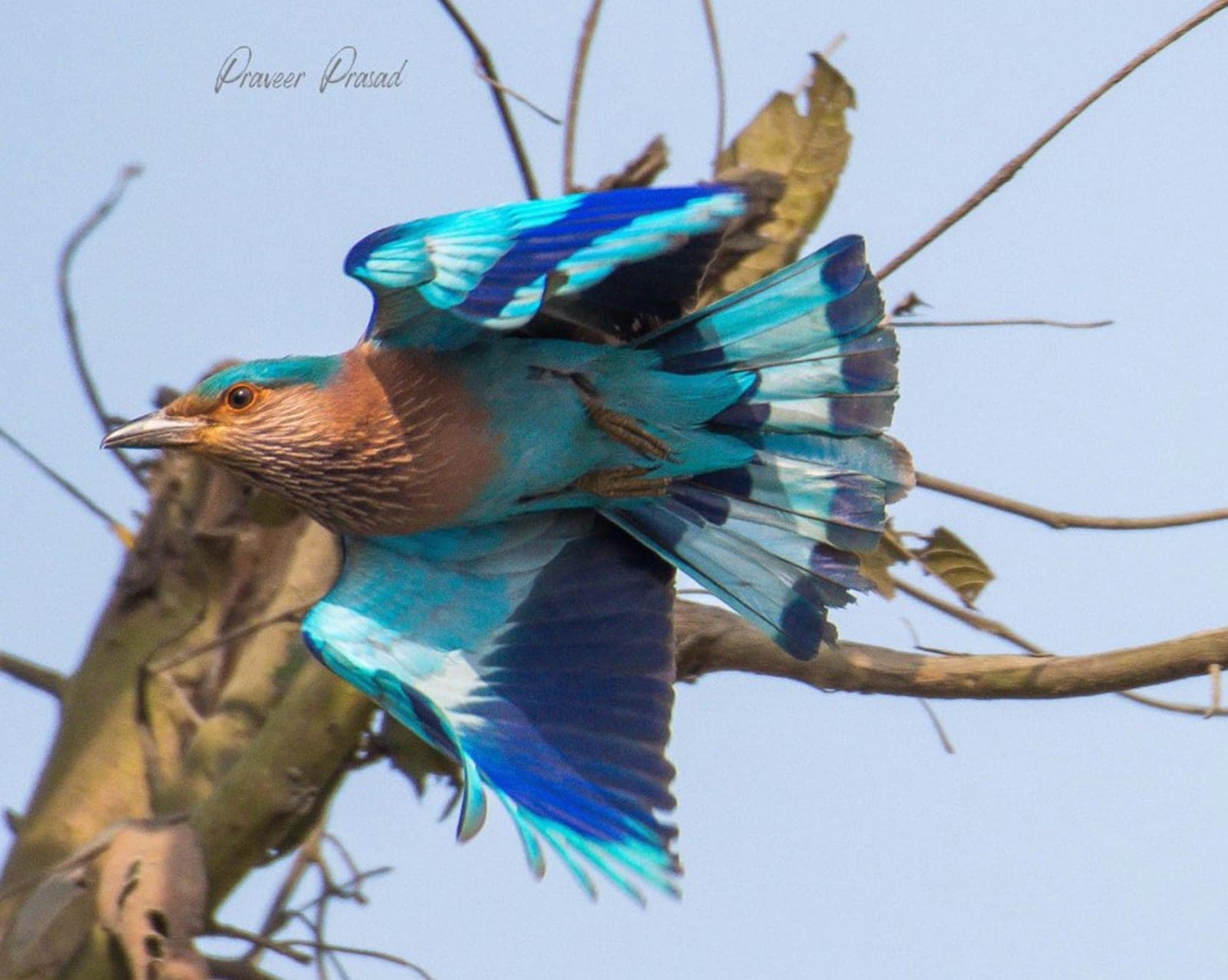
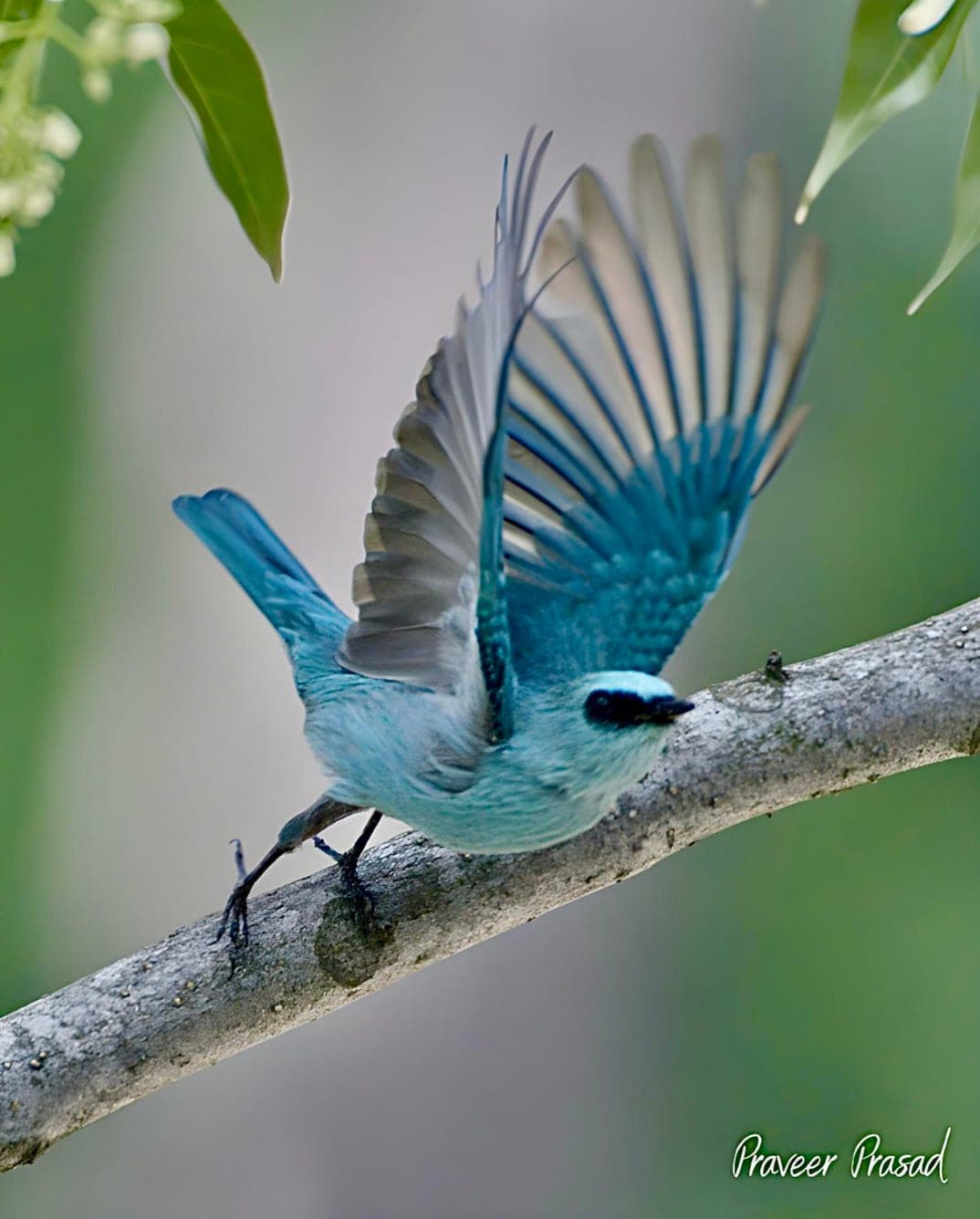
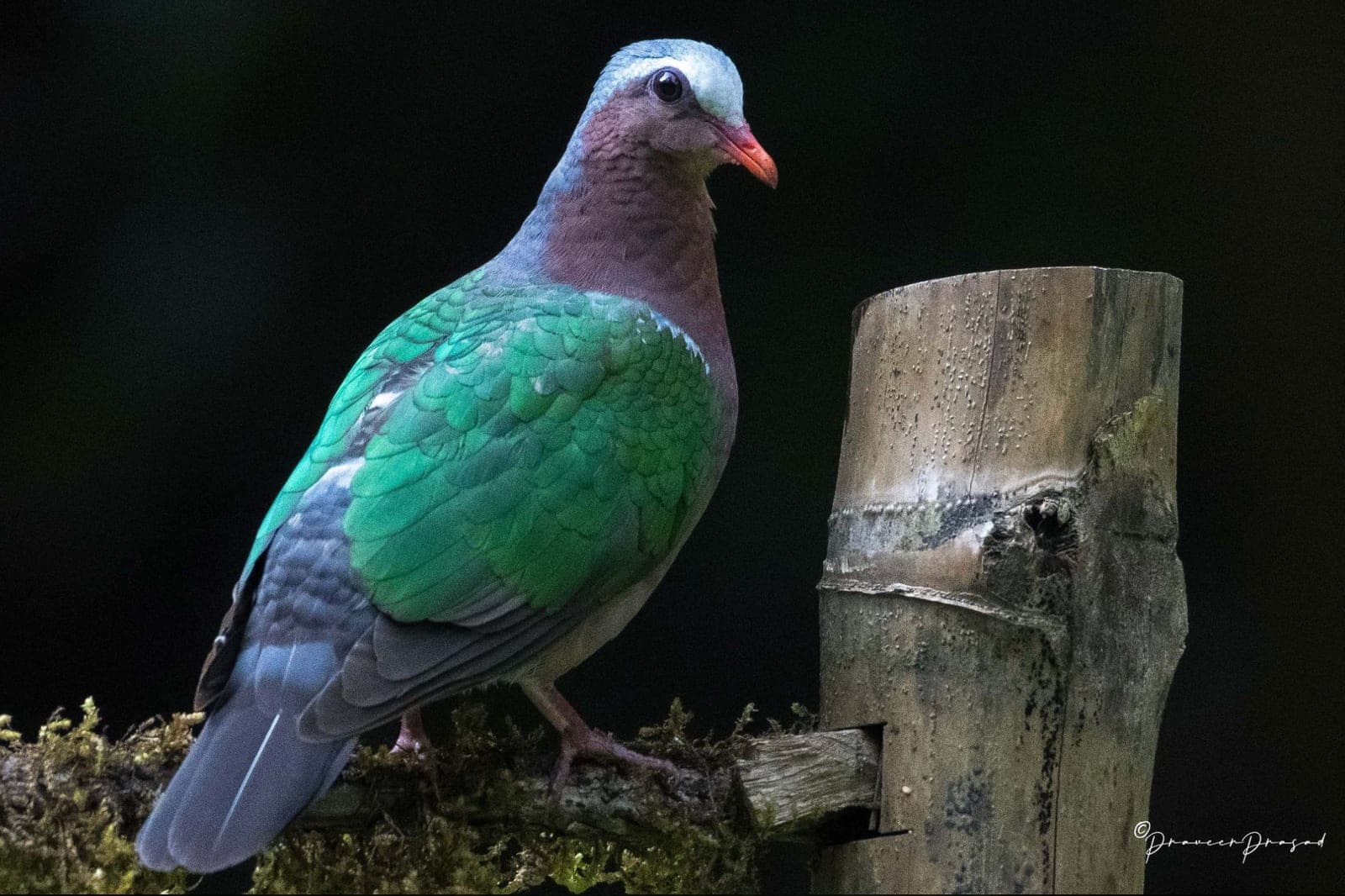
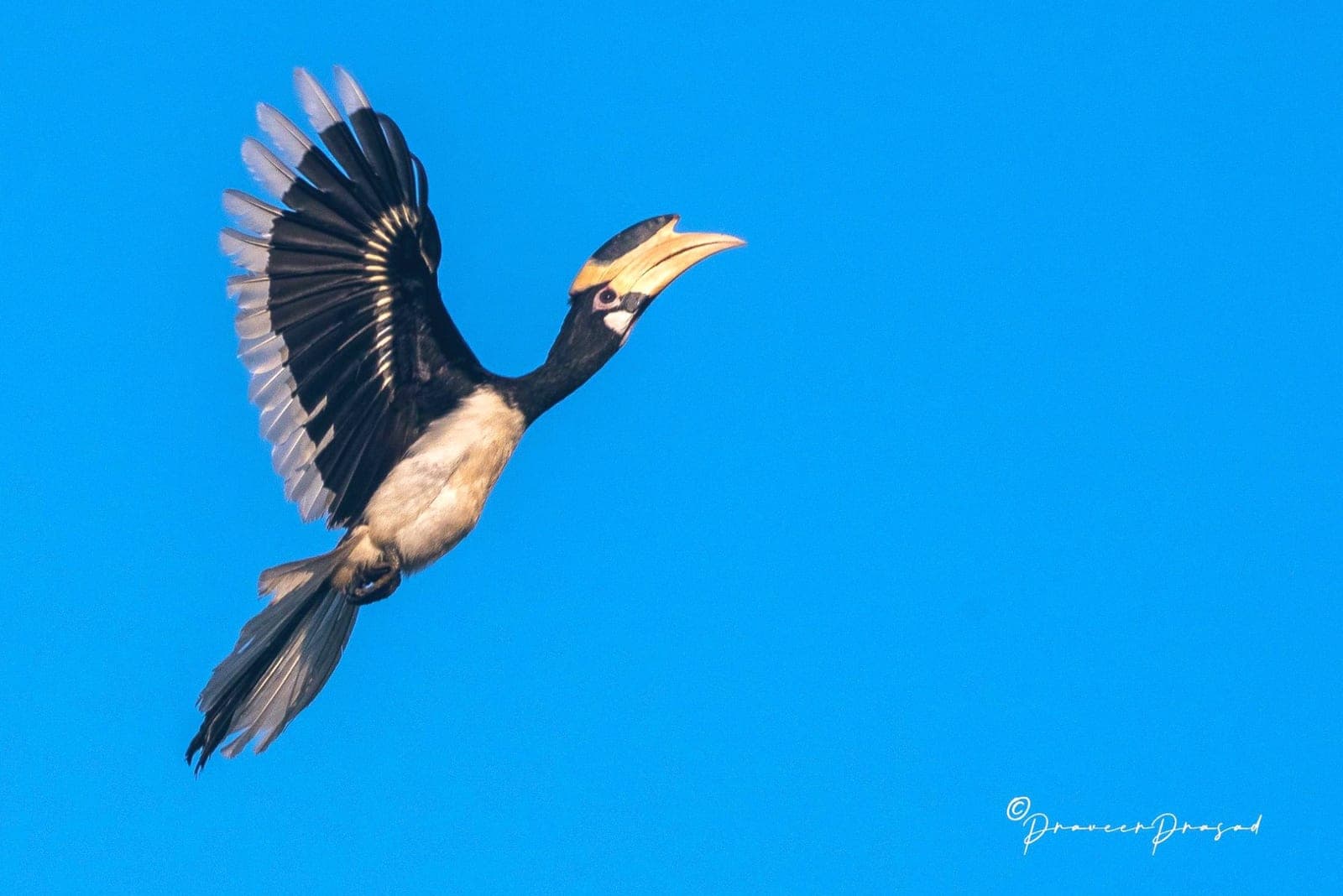
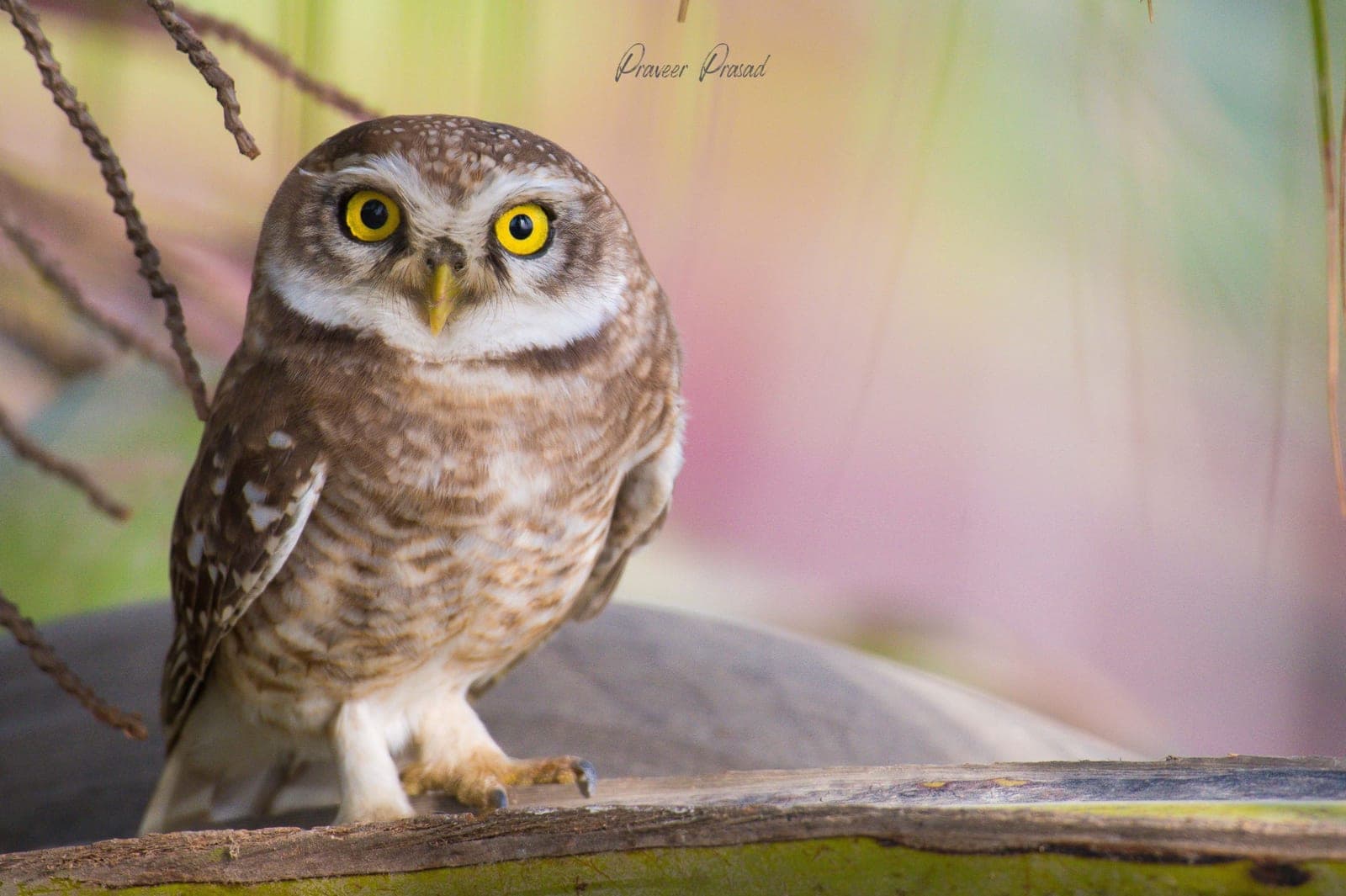
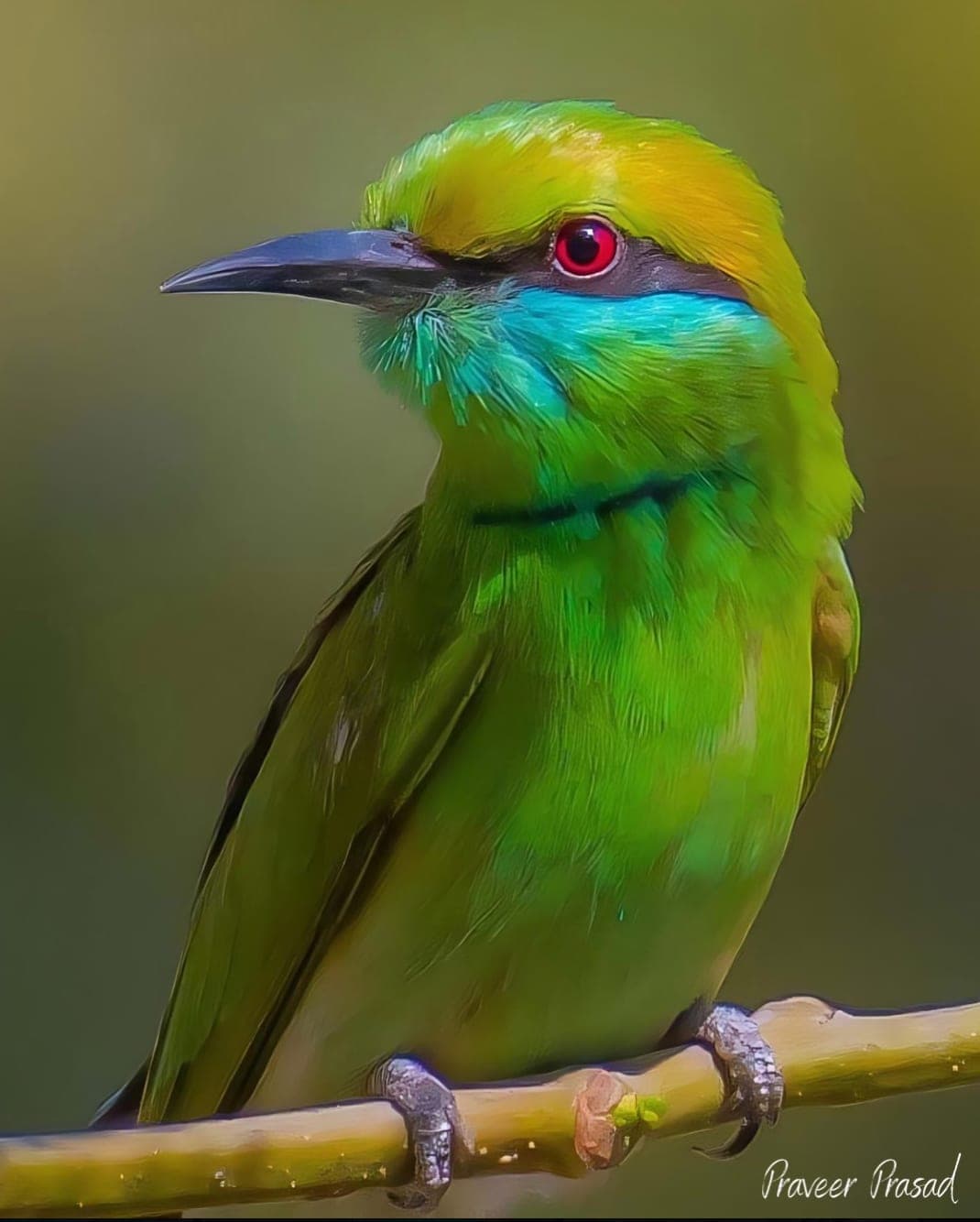
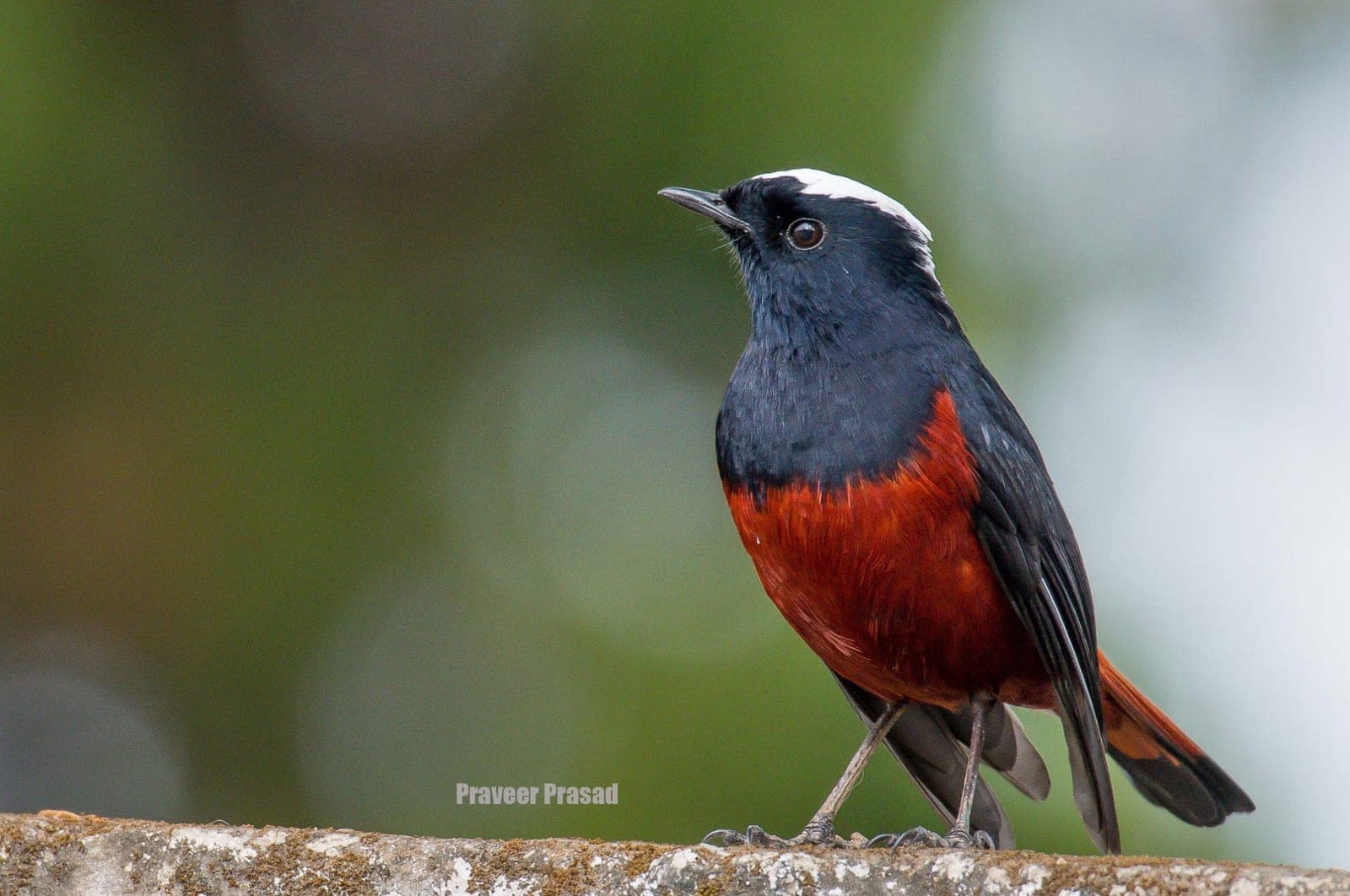
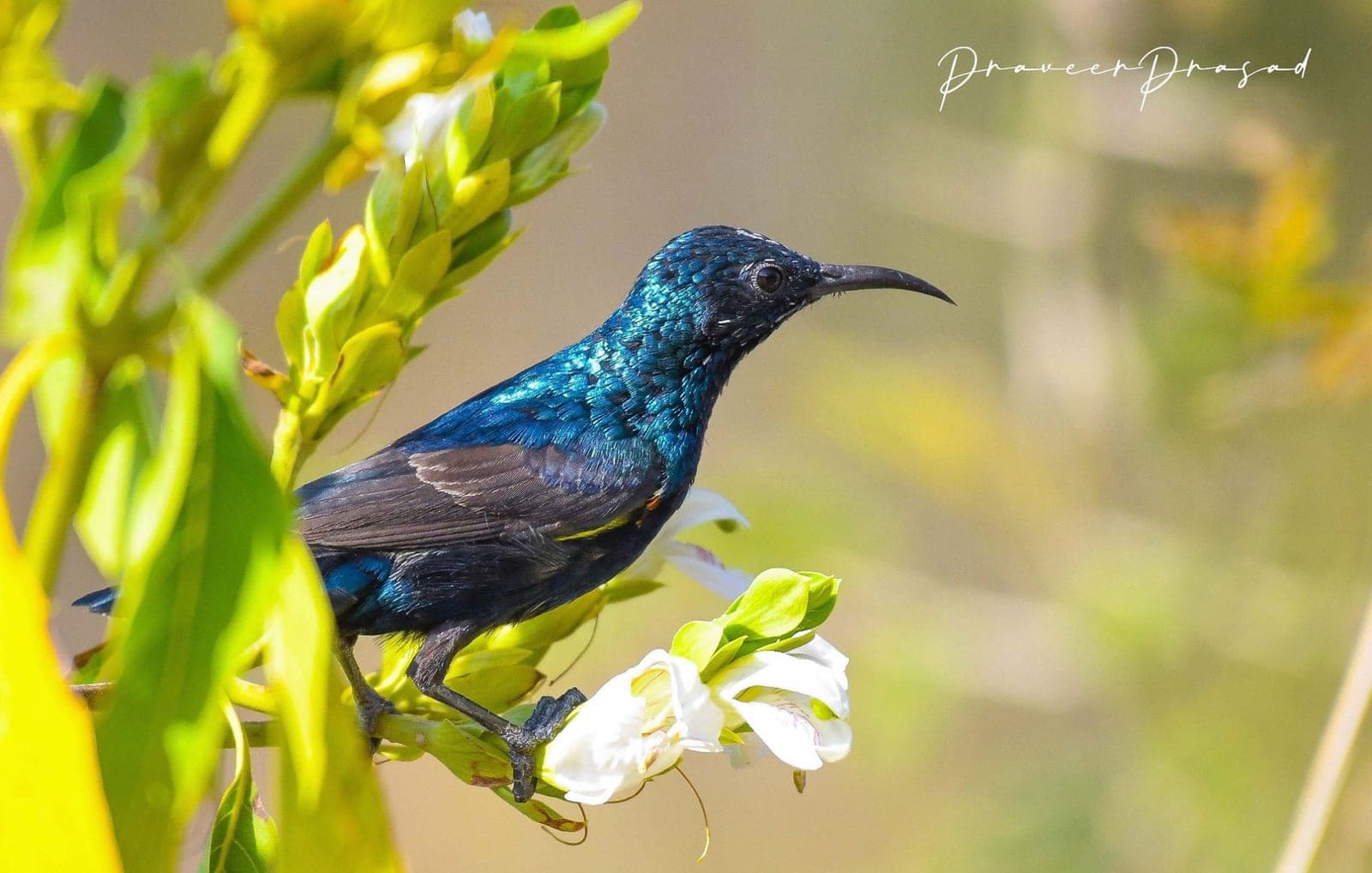
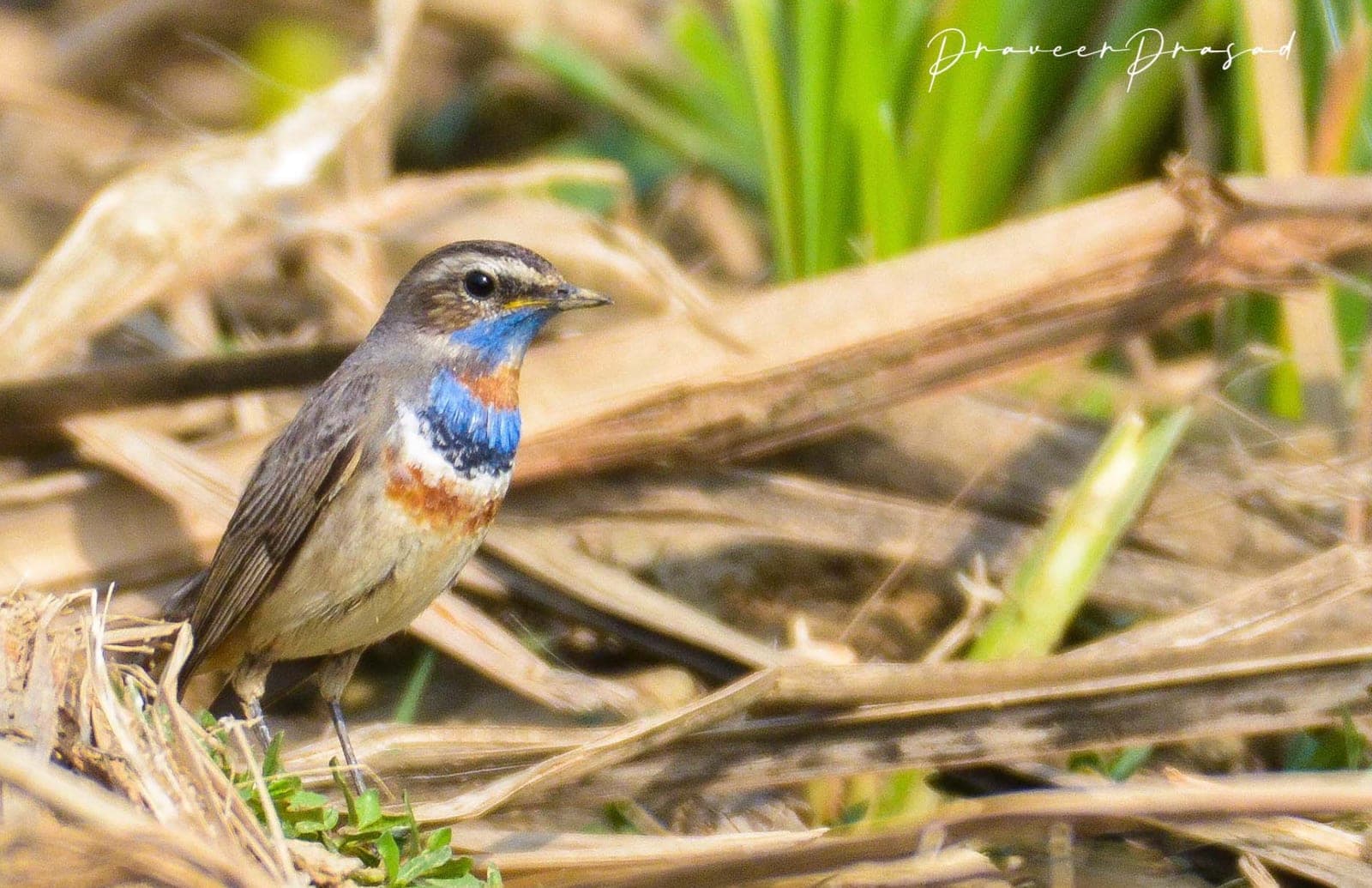
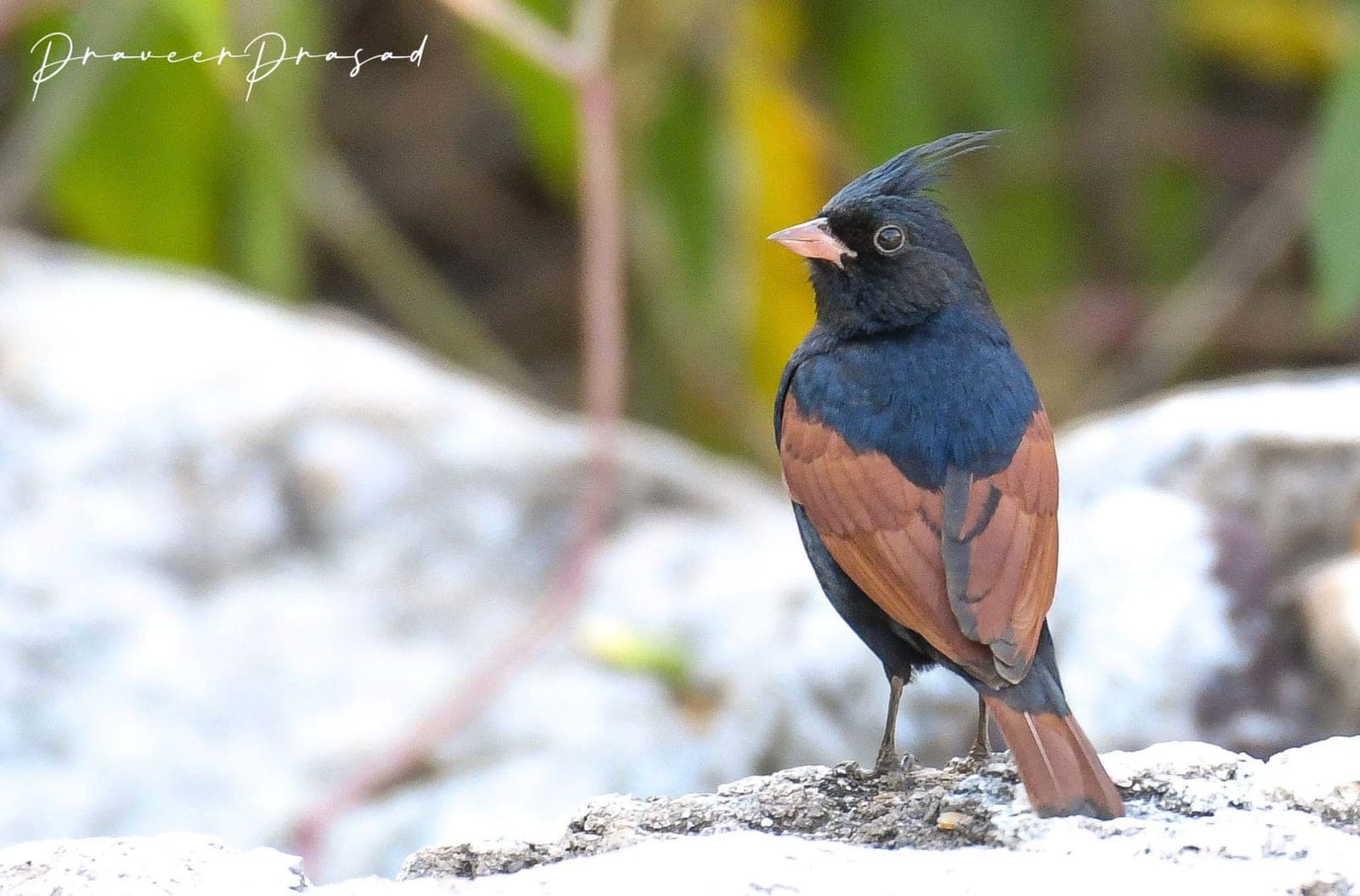
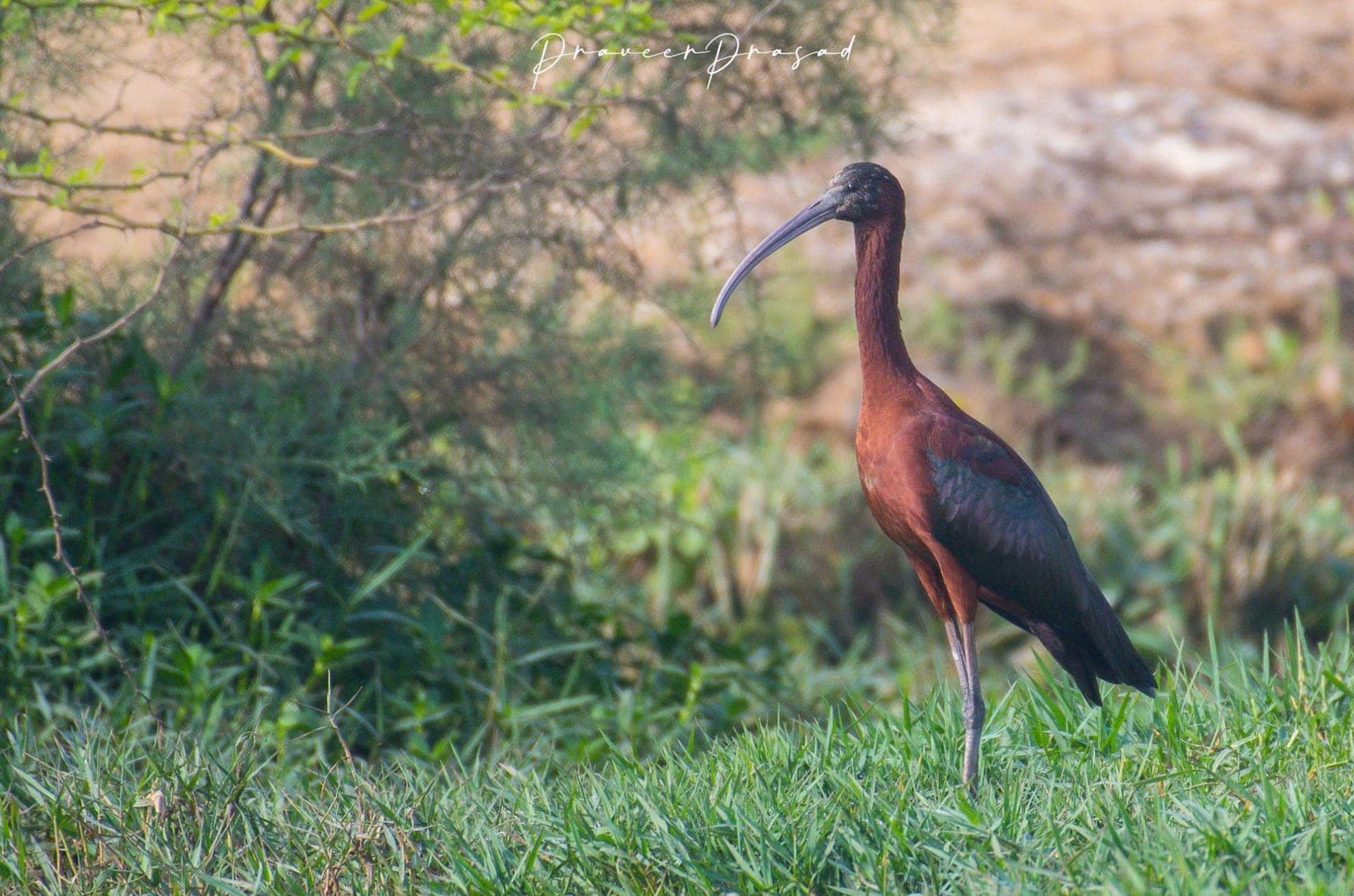
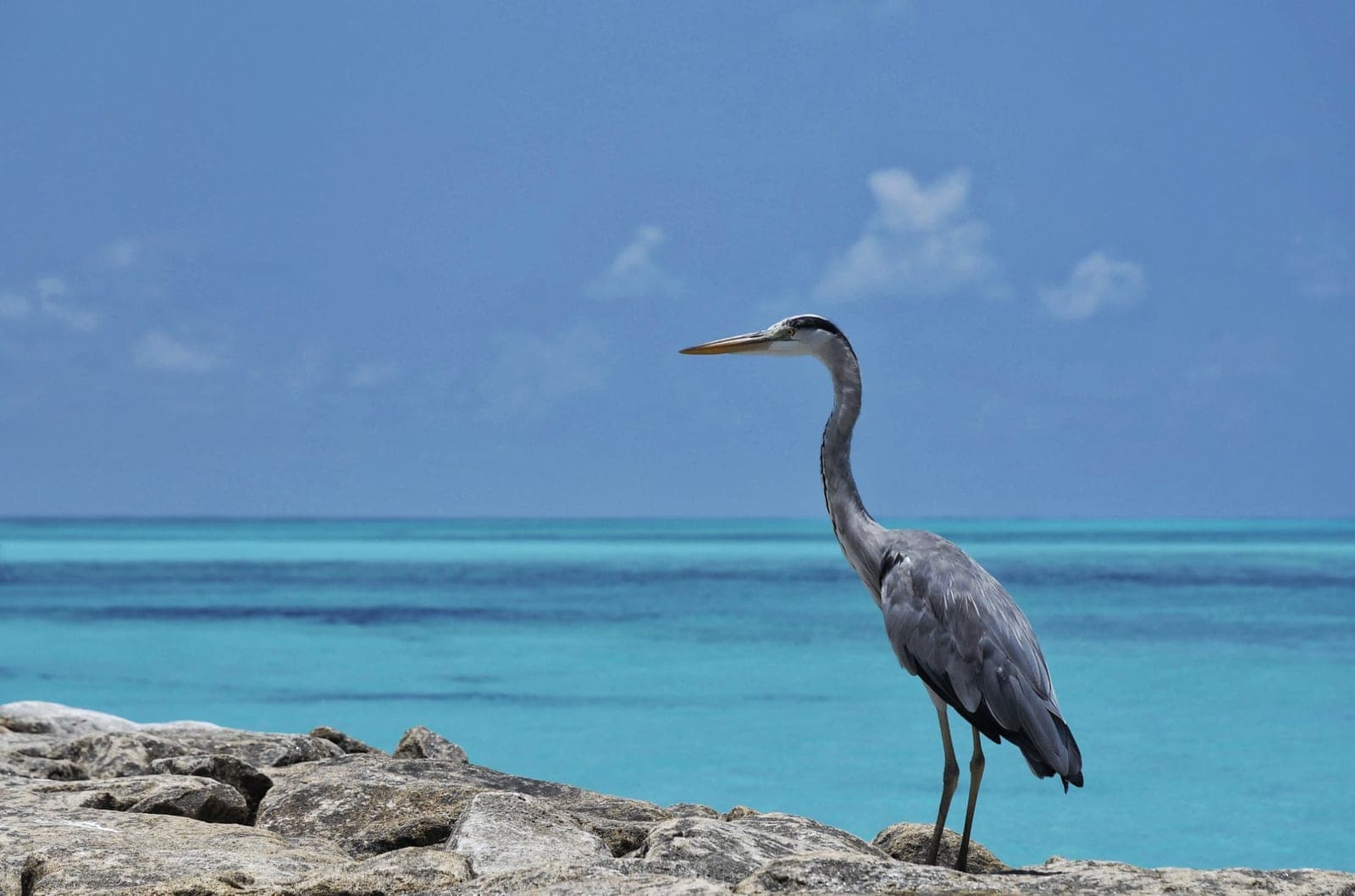
Below are some of the birds I have watched.